Introduction
In an emergency circumstance, few abilities are as critical as recognizing just how to perform mouth-to-mouth resuscitation (Cardiopulmonary Resuscitation). It's a lifesaving technique that can considerably raise the possibility of survival for people experiencing cardiac arrest. Nevertheless, an usual myth persists: Does CPR always reactivate the heart? The answer is not as uncomplicated as one could think. This short article intends to explore this myth comprehensive, covering numerous aspects of CPR, its effectiveness, and crucial considerations bordering its use.

Debunking the Myth: Does Mouth-to-mouth Resuscitation Always Reactivate the Heart?
At its core, CPR is developed to keep blood flow and oxygenation to crucial body organs up until expert medical aid gets here. While it plays an important function in conserving lives, it's necessary to understand that CPR does not assure that the heart will certainly be reactivated. As a matter of fact, research studies show that effective resuscitation rates differ commonly depending upon several aspects, consisting of the source of cardiac arrest, the timing of intervention, and the high quality of compressions.
Understanding Cardiac Arrest
Before diving deeper into CPR's performance, let's clarify what cardiac arrest involves. Cardiac arrest takes place when the heart quits defeating successfully or totally discontinues to work. This scenario leads to a fast decline in blood circulation to essential organs, making instant action critical.
Types of Cardiac Arrest
Ventricular Fibrillation: A chaotic heart rhythm that avoids efficient pumping.
Asystole: The lack of electrical activity in the heart; usually referred to as "flatline."

Pulseless Electric Activity (PEA): The heart has electric task yet stops working to pump blood as a result of numerous reasons.
Understanding these various kinds can assist make clear why CPR may not constantly reboot the heart.
The Role of High-grade Compressions
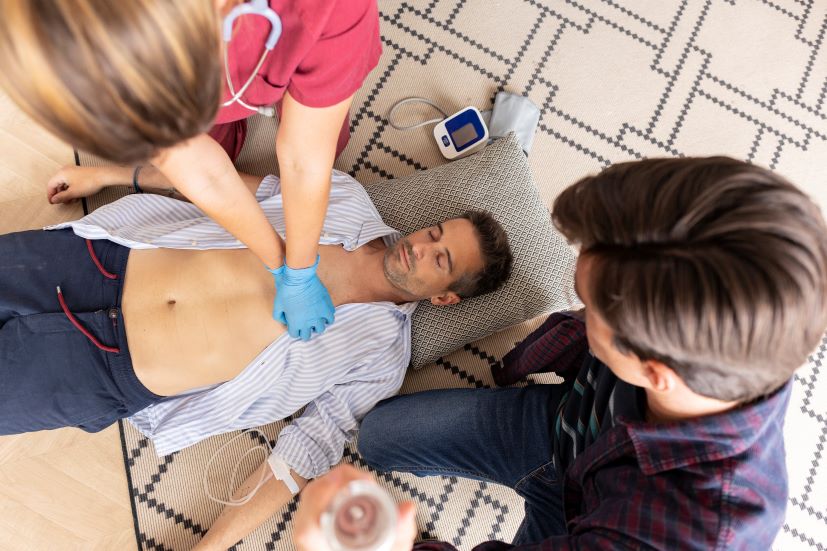
One basic element of reliable CPR is keeping top notch chest compressions. The incorrect compression depth can dramatically impact outcomes. According to recent guidelines, compressions ought to go to the very least 2 inches deep for grownups and regarding 1.5 inches for infants while permitting full chest recoil in between compressions.
Compression Rate
The advised compression price is https://augustfoak341.cavandoragh.org/are-you-prepared-the-importance-of-first-aid-and-cpr-training 100-120 compressions per minute. Maintaining this price while making certain appropriate deepness can be testing throughout high-stress scenarios where feelings run high.
AED: A Crucial Companion
An Automated External Defibrillator (AED) is a necessary device that works along with CPR strategies. It analyzes the heart's rhythm and supplies an electric shock if required. But exactly how do we utilize an AED Childcare First Aid Sunshine Coast correctly?
How to Make use of an AED?
Turn on the AED device. Attach pads according to visual instructions. Allow it to assess the heart rhythm. Deliver a shock if suggested by the device. Continue CPR until professional assistance arrives.Knowing just how to use an AED can dramatically boost survival rates throughout cardiac emergencies.
CPR Methods for Various Age Groups
The guidelines for performing mouth-to-mouth resuscitation vary based upon age; therefore, understanding certain methods is paramount:
- Adult CPR: Focuses on upper body compressions and rescue breaths in a ratio of 30:2. Child CPR: Similar technique yet with lighter compression force. Infant CPR Technique: Makes use of 2 fingers for breast compressions at a shallower depth than adults.
CPR for Sinking Victims
Drowning targets require immediate focus given that they might deal with complications like hypoxia also prior to getting to land or rescue services arrive. And right here's where specialized expertise becomes vital-- recognizing exactly how water impacts breathing and flow makes all the difference.
How Does Drowning Affect Resuscitation?
Water-related emergency situations require quick action as a result of potential ambition (water entering airways), causing various difficulties contrasted to conventional heart arrests.
Sports-Related Heart Arrests
Sudden heart attacks can likewise happen throughout sports activities as a result of extreme physical exertion or underlying problems frequently forgotten during regular health and wellness checks.
Importance of Precautionary Measures
Creating understanding amongst professional athletes about their wellness standing and having emergency plans in position can save lives on playing areas or courts globally.
Workplace Emergency situation Plans and Training
Employers have a responsibility towards their employees when it involves office safety measures, including training on basic life assistance like mouth-to-mouth resuscitation and first aid combos.
Local mouth-to-mouth resuscitation Classes
Enrolling in regional classes makes certain that employee are equipped with expertise regarding providing life-saving strategies efficiently during emergencies.
Online vs In-Person Certification Programs
With innovation progressing swiftly, online qualifications have actually come to be preferred for finding out fundamental CPR techniques easily from home or on-the-go.
Online vs Traditional Learning
While both approaches provide valuable info, hands-on technique is irreplaceable when developing muscle mass memory required during real-life emergencies.
CPR Certification Validity
Most companies advise restoring your qualification every 2 years; remaining updated with most current guidelines guarantees you're gotten ready for any circumstance you may encounter!
FAQs
1. Can anyone perform CPR?
Yes! Anybody educated can execute it efficiently despite history-- fundamental knowledge integrated with confidence conserves lives!
2. How often should I restore my mouth-to-mouth resuscitation certification?
Typically every 2 years; however, inspect regional standards as requirements may vary relying on your area or profession.
3. Will certainly making use of an AED guarantee success?
Not always; while AEDs significantly boost survival prices when incorporated with punctual premium CPR initiatives-- they don't ensure revival-- success depends upon different aspects too!
4. Why is compression deepness so important?
Incorrect compression depth limitations blood flow substantially minimizing possibilities for effective resuscitation-- keeping details depths guarantees optimal perfusion till health care experts arrive!
5. Exist unique factors to consider for infants?
Absolutely! Infants require gentler techniques concentrating mainly on preventing too much pressure-- utilizing suitable finger positionings customized specifically toward their composition enhances efficiency tremendously!
6. What need to I prepare in regards to home readiness?
Keep emergency situation numbers handy along with easily accessible first-aid kits stocked with supplies needed during deadly events; exercising scenarios boosts confidence degrees immensely!
Conclusion
Understanding cardiopulmonary resuscitation is important-- not just for healthcare providers yet also nonprofessionals who might locate themselves in serious situations anytime! Exposing misconceptions bordering its performance exposes intricacies entailed while stressing value placed upon education relating to appropriate approaches such as innovative resuscitation skills combined perfectly together with automated defibrillators readily available within areas everywhere! Keep in mind-- the objective continues to be clear: conserving lives through informed readiness equips individuals across all strolls society-- from work environments where plans exist down through neighborhoods filled compassionately educated neighbors all set delve into action whenever contacted!
In recap, while we really hope everybody learns exactly how to do reliable Cardiopulmonary Resuscitation (MOUTH-TO-MOUTH RESUSCITATION), we have to acknowledge ahead of time-- it doesn't constantly restart hearts! Allow's welcome truth so we prepare accordingly rather than relying simply upon glamorized concepts regarding lifesaving abilities without thinking about constraints encountered under pressure-- because real heroism frequently lies within our willingness adjust promptly amidst turmoil experienced unexpectedly!